 Michael Jackson, Prince and Paul McCartney: The Rivalries Behind Music Legends
? Why Has Arab Critical Taste Deteriorated and the Role of Critics Declined
Ibrahim Hajjary
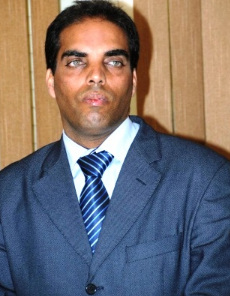
By Ibrahim Hajjri –
Moroccan Novelist and Researcher
Critical practice in literature and
other fields, as is known, is governed primarily by the contexts that produce
discourse and the prevailing values at the time. It is obviously futile to
separate it from its surrounding philosophical, intellectual, social, and
economic frameworks, as dominant values create their own standards in harmony
with parallel authorities and impose their choices on individuals, who will act
according to the dynamic process dictated by the produced discourse.
Thus, clinging to ideal standards and
striving to apply them in a reality that does not align with their nature
becomes an exercise in futility, akin to measuring barley with the tools used
for gold, and vice versa.
In this context, we discuss the
decline of literary criticism, the erosion of the ethics of the literary
critic, the inconsistency of the critical work they produce, and, consequently,
the collapse of the "charisma" that once characterized these
individuals in terms of prestige, values, and function. On the first level, the
critic no longer enjoys the same esteem in the cultural landscape and no longer
commands the same respect once shown by writers and creators. Like other
readers, they find that their critical work is no longer recognized due to the
absence of the qualities that previously distinguished critical production. We
are witnessing the era of the "death" of the critic, or rather the
death of the role they once played in arbitration, evaluation, guidance, and
articulating the artistic and creative value of literary works. The reverence
for critics and their criticism has diminished, marred by disreputable
influences.
Previously, the critic's role
included evaluating texts before publication, as they often headed the cultural
sections and supplements and presided over review committees for manuscripts at
publishing houses and at the top of cultural and literary institutions. With
the emergence of a new public medium—namely the digital platform—these
responsibilities have been stripped from the critic, or their equivalents, as
everyone now has the right to publish their work, regardless of its suitability
for publication.
Publishing houses, too, have
relinquished the role of reading committees, which has led to a proliferation
of leniency in publishing and distribution and a diminishment of the pioneering
role of evaluative processes. As a result, many well-known critics have become
obscure figures, ignored by both the public and even when their critiques are
valuable. This is because "writers," whether novice or established,
no longer need the endorsement of critics to publish their work and distribute
it among readers. Social media platforms, digital outlets, and personal blogs
on the internet have replaced newspapers, magazines, and printed publications.
Writers can now publish their work and engage with readers' reactions and
comments in real-time.
The level of reading has declined,
book circulation has waned, and electronic devices, TV series, and video games
have consumed people's time, leading to the dominance of triviality as a
hallmark of life, while serious cultural engagement has waned. This situation
has contributed to the marginalization of the critic’s role, both in the public
sphere and in institutions, including schools. Schools should prioritize training
graduates in critical thinking and contemplation, but they have instead shifted
to instilling passive consumer values and imparting knowledge in a superficial
manner.
Gradually, this complacency has
permeated daily life and reality. It is no secret that literature and art are
inseparable parts of life, and they have inevitably been affected by these
negative tendencies.
We must also not forget the
significant role universities have played in the current state of literary
criticism. Academic programs no longer foster the development of students
capable of continuing research after graduation and contributing new insights
or continuing the work of their predecessors. Many university professors do not
engage in the required research activities or practice critical analysis
through follow-ups and reviews. Most of their work is limited to traditional,
consumer-oriented teaching that does not emphasize productive work or involve
students in research paths or equip them with the skills to design their
projects with critical awareness and personal input, avoiding mere repetition
of past knowledge.
Undoubtedly, the decline of the
intellectual's image in Arab societies and the marginalization of their leading
role in evaluating and enhancing the scene, and in protecting taste from
deviation, have allowed superficiality and triviality to prevail over time.
The interaction among members of this
intellectual class and the public discussions they initiate on societal issues
are what generate a critical dynamic that eventually becomes a collective
concern. This context is essential for creating an aware and positive critical
philosophy capable of nurturing taste and fostering diverse sensitivities,
while constructively contributing to the establishment of high-quality artistic,
literary, and creative paradigms that address people's questions, refine their
understanding, challenge their preconceptions, and enable them to navigate the
modern world with confidence and competence.
Unfortunately, such an atmosphere is
absent in the Arab world. For all these reasons, the critic’s role has receded,
their function has weakened, their critical performance has declined, and their
contribution to fostering effective reflective processes has diminished. They
have withdrawn from actively critiquing and assessing accomplishments in a
coherent manner that serves the essential components and backgrounds. Instead,
they chase personal interests and compromise their integrity and objectivity
for gains beyond their original responsibilities, sacrificing their honest
voice in society and tarnishing their image before a world that has always, and
still, expects much from them. As a result, false evaluations have become
widespread, lacking in artistic and aesthetic standards or logical sense, serving
as mere acts of flattery.
موضوعات ذات صلة
Michael Jackson, Prince and Paul McCartney: The Rivalries Behind Music Legends
 megan fox
 the Egyptian writer Naguib Mahfouz
نرشح لك
 At the conclusion of Alexandria Heritage Days A Ptolemaic Newsletter and the Sailors Band Plays Mediterranean Tunes
 The Secret Behind the Youssef Chahine Award for the Spanish Film “SECUNDARIAS” at the 41st Alexandria Mediterranean Film Festival
Michael Jackson, Prince and Paul McCartney: The Rivalries Behind Music Legends
The Secret Behind the Youssef Chahine Award for the Spanish Film “SECUNDARIAS” at the 41st Alexandria Mediterranean Film Festival
Michael Jackson, Prince and Paul McCartney: The Rivalries Behind Music Legends
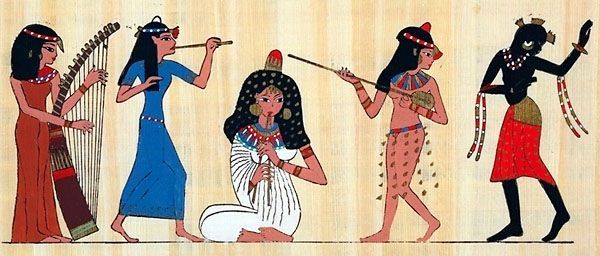 Between Celtic Enchantment and Egyptian Authenticity: Did the West Preserve the Forgotten Melodies of the Pharaohs?
 STRATEGIC COLLABORATION BETWEEN EL GOUNA FILM FESTIVAL, AIR TAXI EGYPT AND INVISIBLE MEDIA HOUSE
 Antiques in Your Home: Art, Wealth, and History
 From Tamer to Olga: Warm Letters Across the Mediterranean
the Egyptian writer Naguib Mahfouz
megan fox
From Tamer to Olga: Warm Letters Across the Mediterranean
the Egyptian writer Naguib Mahfouz
megan fox